



How to Custom Design Shoes for Your Brand Successfully?
February 3, 2026
For brands looking to stand out in the competitive footwear market, understanding how to custom design shoes is essential. Custom shoes allow brands to deliver unique products that combine style, comfort, and functionality. The process involves strategic planning, material selection, design conceptualization, and collaboration with experienced manufacturers. Properly executed, it enables faster time-to-market, consistent quality, and alignment with brand identity.
This article provides a detailed guide for B2B clients and decision-makers on successfully designing and producing custom footwear. It covers design planning, prototyping, production, and distribution, with examples demonstrating how manufacturers help brands achieve scalable, high-quality outcomes.
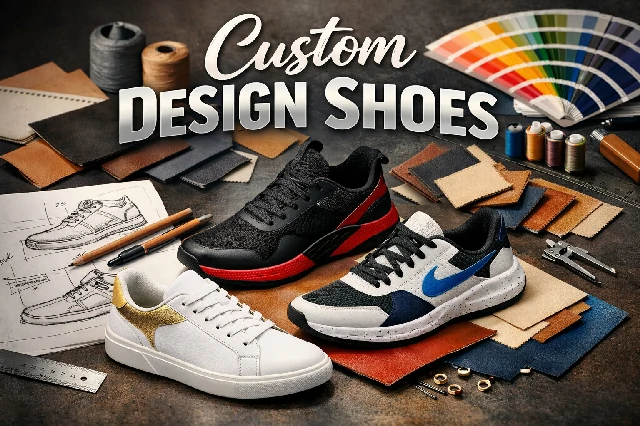
Understanding the Importance of Custom Design
Custom-designed shoes provide brands with an opportunity to craft products that truly reflect their identity, meet market needs, and exceed consumer expectations. Whether you’re launching a new line of casual work sneakers for professionals or an innovative range of athletic shoes, custom design gives you the flexibility to offer:
- Unique styles that stand out from competitors
- Custom features tailored to specific performance requirements
- Better fit, comfort, and durability for your target customers
- The ability to showcase brand identity through colors, logos, and designs
With the right approach, custom shoes can position your brand as an industry leader in quality, style, and innovation.
Step 1: Define Your Brand and Market Needs
The first step in the custom shoe design process is to clearly define your brand identity and understand the needs of your target market. Ask yourself:
- Who is your target customer? (e.g., young professionals, athletes, outdoor enthusiasts)
- What function does your footwear need to serve? (e.g., comfort, performance, style)
- Are you focusing on a particular shoe category, such as casual wear, athletic shoes, or specialized footwear like snow boots?
For example, if you’re targeting young professionals, you may choose to create womens casual shoes that blend style with comfort. If your focus is on athletes, you might opt for high-performance athletic shoes or sneakers designed for specific sports.
Understanding your brand goals and customer needs allows you to determine what type of footwear you want to create and sets the foundation for every subsequent step in the design process.
Step 2: Conceptualization and Sketching the Design
Once you have a clear understanding of your brand and market needs, the next step is conceptualizing and sketching your shoe design. At this stage, you’ll translate your ideas into a visual concept that reflects both function and form. Key aspects of this process include:
- Shoe Type: Are you designing casual sneakers, athletic shoes, or work footwear? The design approach will vary for each category.
- Functional Features: Will your shoes have cushioning for comfort, arch support for stability, water resistance for outdoor use, or enhanced breathability for sports?
- Materials: What materials will you use for the upper (leather, mesh, canvas), midsole (EVA, PU), and outsole (rubber, TPU)?
- Aesthetics: What will the shoe look like? Consider colorways, branding, and any unique design elements that reflect your brand’s identity.
For example, a casual sneaker for the office might prioritize a sleek, minimalistic design with soft leather uppers and a lightweight, breathable sole. Conversely, a sports shoe might emphasize advanced materials for better performance, such as moisture-wicking fabrics, shock-absorbing midsoles, and durable outsoles.
Digital tools like 3D rendering and mockups allow brands to visualize their designs before moving to physical prototypes, streamlining the approval process.
Step 3: Material Selection and Performance Requirements
Selecting the right materials is crucial for ensuring both the performance and aesthetics of your custom shoes. The material choices you make will affect durability, comfort, and overall functionality. Here’s a breakdown of key materials:
- Uppers: Leather, mesh, synthetic leather, or knit fabrics each offer different benefits. Leather provides a high-end feel and durability, while mesh offers breathability and flexibility.
- Midsoles: Materials like EVA or polyurethane (PU) provide cushioning and shock absorption, which are essential for comfort, especially in sports footwear.
- Outsoles: Rubber, TPU (thermoplastic polyurethane), or EVA offer durability and traction, while rubber is often chosen for its slip-resistant properties.
- Cushioning and Support: Gel, air pockets, and foam can be added to the midsole for additional comfort, while arch support or heel stabilizers can improve foot alignment.
If you’re designing shoes for a specific purpose, such as snow boots, you’ll need materials that provide insulation and water resistance. High-quality snow boots may use Thinsulate for warmth and waterproof membranes to keep feet dry during outdoor activities.
Choosing the right manufacturer, particularly one with experience in producing custom design shoes, ensures that you have access to a wide range of materials and expert guidance during this phase.
Step 4: Prototyping and Sample Development
After you’ve finalized your design and selected materials, the next step is prototyping. This is where the concept comes to life, allowing you to assess the look, feel, and functionality of the shoe before mass production begins. Prototyping provides an opportunity to test various elements of the design, such as:
- Fit and sizing
- Comfort and cushioning
- Durability and wear resistance
- Aesthetic appearance
Brands typically go through several rounds of prototyping to ensure that the final product meets their standards. Each prototype provides feedback, which can lead to adjustments in the design or materials used.
For instance, you might find that the initial sole design of a business sneaker isn’t as comfortable as expected, and adjustments need to be made. This iterative process ensures the final product is functional, comfortable, and aligned with brand expectations.
Step 5: Production and Quality Control
Once prototypes are approved, production begins. At this stage, scalability and quality control become the primary focus. When working with an experienced manufacturer, you can ensure that your product maintains consistency and meets international standards for durability, comfort, and safety.
Quality control involves:
- Pre-production sampling to confirm specifications
- Real-time monitoring during production to maintain consistency
- Post-production inspections to test product durability and functionality
- Compliance with industry standards for safety and sustainability
Collaborating with manufacturers offering bulk production capabilities, such as shoes by bulk, allows brands to produce large quantities of custom shoes while ensuring consistent quality across every pair.
Step 6: Distribution and Global Shipping
Once the custom shoes are produced, the next step is managing logistics and global distribution. This involves:
- Shipping products to retailers, distributors, or directly to consumers
- Handling import/export documentation and customs
- Coordinating with fulfillment centers for timely delivery
Working with a manufacturer who can support both production and logistics helps ensure that shoes reach the market quickly and efficiently, minimizing delays and costs. Many experienced manufacturers also handle warehousing and inventory management to streamline the supply chain process.
Sustainability and Innovation in Custom Shoes
In today’s market, sustainability plays an increasingly important role in consumer purchasing decisions. Custom shoe brands can leverage eco-friendly materials, biodegradable packaging, and energy-efficient production methods to appeal to environmentally conscious consumers.
By partnering with innovative manufacturers who invest in sustainable practices, brands can create footwear lines that meet the growing demand for sustainable, high-performance products. This can include:
- Recycled materials for the uppers and soles
- Eco-friendly dyes and finishes
- Packaging made from biodegradable or recyclable materials
These sustainability efforts can enhance your brand’s reputation, particularly in markets where consumers prioritize eco-conscious choices.
Frequently Asked Questions (FAQ)
Q1: How do I choose the right manufacturer for custom shoes?
A1: Look for manufacturers with experience in the footwear type you’re designing, a strong track record of quality control, and the ability to handle both small and large production runs.
Q2: How long does it take to produce custom shoes?
A2: Typically, it takes around 8-12 weeks from concept to mass production, depending on the complexity of the design and production volume.
Q3: What is the minimum order quantity (MOQ) for custom shoes?
A3: MOQs can vary by manufacturer, but many offer flexible options for small batches and larger-scale production runs, depending on your needs.
Q4: Can I add my brand’s logo or specific designs to custom shoes?
A4: Yes, manufacturers typically offer customization options, including logo placement, color schemes, and other design elements, to reflect your brand’s identity.
Q5: Are there any sustainable options for custom shoes?
A5: Yes, many manufacturers offer eco-friendly materials and sustainable production practices, such as recyclable uppers, eco-friendly dyes, and biodegradable packaging.
About Dadao
Dadao is a leading footwear manufacturer with over 30 years of experience in global OEM and ODM operations. Specializing in custom design shoes, we help brands bring their unique footwear concepts to life. Our capabilities span across various shoe types, including casual sneakers, sporting shoes, business footwear, and seasonal options like snow boots. With scalable production, rapid prototyping, and strict quality control, we provide comprehensive solutions to ensure your brand’s success.