



What Are the Different Types of Shoes and How Can They Benefit Your Footwear Line?
February 4, 2026
For brands seeking to expand their footwear collections, understanding the types of shoes available in the market is essential. Every shoe category serves a distinct purpose, target audience, and functional requirement. From casual office wear to high-performance athletic shoes, each type has unique material, design, and manufacturing considerations. Knowing these distinctions helps brands make informed decisions about product design, material selection, production processes, and supply chain strategy.
This article explores the primary types of shoes, their features, and how manufacturers support brands in creating custom-designed footwear that meets both aesthetic and functional demands. We also highlight practical examples and industry insights to help decision-makers optimize their footwear offerings.
Overview of Footwear Categories
The footwear industry can be categorized broadly by use and design. Major types include casual shoes, sports footwear, work shoes, seasonal shoes like snow boots, and specialized shoes for niche purposes. Each category involves specific materials, design approaches, and manufacturing techniques. Brands can benefit from understanding the characteristics of each type to better target customer needs and market segments.
Casual Shoes
Casual shoes prioritize comfort, versatility, and style for everyday use. They include sneakers, slip-ons, loafers, and lifestyle shoes. Womens casual shoes and casual work sneakers exemplify how casual footwear blends professional and leisure aesthetics.

Key features:
- Lightweight and ergonomic designs
- Soft and breathable upper materials (canvas, knit, microfiber, leather)
- Flexible and cushioned soles for all-day wear
- Brand-specific design elements like logos or color patterns
Customization options allow brands to tailor casual shoes to specific audiences, choosing materials, colors, and sole technologies that enhance both comfort and visual appeal.
Athletic and Sports Footwear
Athletic shoes are engineered for performance and durability. This category includes running shoes, training shoes, gym sneakers, and other sports footwear. Functional design, material innovation, and biomechanics integration are critical.
Essential design elements:
- Shock-absorbing midsoles using EVA, PU, or air-based systems
- Breathable, lightweight upper materials for ventilation and movement
- Specialized outsoles for traction across different surfaces
- Motion control and stability features to prevent injury
Manufacturers producing sporting shoes combine material science, digital prototyping, and precision engineering to optimize footwear for high-performance activities. Customization enables brands to offer shoes that reflect their design vision while meeting technical requirements for athletic use.
Work and Safety Footwear
Work shoes and safety footwear are designed to protect workers in hazardous environments while providing comfort for extended wear. These include safety sneakers, steel-toe shoes, slip-resistant footwear, and professional work boots.
Critical features:
- Reinforced toes with steel or composite materials
- Slip-, oil-, and puncture-resistant outsoles
- Water resistance and durable uppers
- Ergonomic insoles and shock absorption for long shifts
Casual work sneakers are increasingly popular as they blend safety features with modern style, appealing to younger professionals in industrial or commercial sectors.
Seasonal Footwear: Snow Boots
Snow boots and other seasonal footwear are tailored for cold climates. Proper design ensures warmth, traction, and durability for winter conditions.
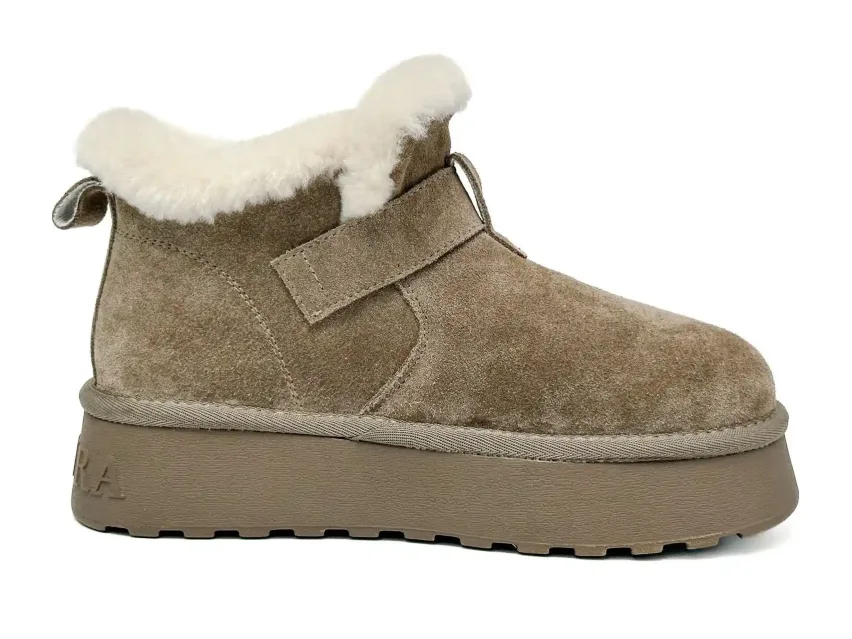
Design considerations:
- Insulated linings (fleece, Thinsulate) for warmth
- Waterproof membranes to keep feet dry
- Deep treads for traction on ice and snow
- Cushioned footbeds for comfort during prolonged wear
By customizing insulation, sole patterns, and waterproof features, brands can create snow boots that are functional and stylish, serving markets in colder regions. Snow boots are an important category for seasonal and outdoor retail segments.
Specialized Footwear
Specialized shoes address niche needs such as orthopedic support, hiking, or slip-resistant environments. These shoes require attention to biomechanics, comfort, and safety.
Examples of specialized footwear:
- Hiking shoes: Arch support, waterproofing, and durable traction
- Orthopedic shoes: Customized cushioning for medical or comfort needs
- Slip-resistant shoes: Essential for hospitality, healthcare, or industrial work environments
Brands offering specialized shoes often collaborate closely with manufacturers to ensure precision engineering and market-ready performance.
How to Partner with a Footwear Manufacturer
Selecting the right manufacturing partner is crucial to producing high-quality custom shoes. Key considerations include:
- Customization capabilities: Ability to handle material, color, and design variations
- Quality assurance: Access to rigorous QC processes and certifications
- Production scalability: Support for small or large order volumes
- Lead time and logistics: Efficient prototyping, production, and shipment
Brands looking to launch new lines of casual work sneakers or womens casual shoes benefit from manufacturers offering end-to-end OEM/ODM solutions. Efficient collaboration ensures faster time-to-market, consistent quality, and brand-specific design execution. You can contact our team today to explore such solutions.
Comparing Production Models
| Feature | Standard Production | Custom Design Production |
|---|---|---|
| Material selection | Limited | Extensive |
| Design flexibility | Pre-set | Fully customizable |
| Order quantity | High minimums | Flexible |
| Lead time | Fixed | Adjustable |
| Collaboration level | Minimal | Strategic & consultative |
Custom production empowers brands to differentiate their footwear lines, offering products tailored to specific consumer needs while maintaining scalability for bulk orders.
Materials, Technology, and Design Considerations
Selecting the right materials is key to both performance and aesthetic appeal. For example:
- Uppers: Leather, knit, mesh, suede, or synthetic composites
- Midsoles: EVA, PU, or hybrid materials for cushioning
- Outsoles: Rubber, TPU, or EVA for grip, durability, and flexibility
- Support and ergonomics: Arch support, heel stabilization, and ankle padding
Design innovations like 3D printing for prototypes, laser cutting for precise patterns, and in-house R&D labs help manufacturers deliver products that meet high-quality standards. These processes are especially important for brands producing sporting shoes or other high-performance footwear.
Frequently Asked Questions (FAQ)
Q1: What are the most common types of shoes for commercial footwear lines?
A1: Common types include casual shoes, work shoes, athletic footwear, seasonal shoes like snow boots, and specialized products like orthopedic or hiking shoes.
Q2: How can custom design help my brand?
A2: Custom design allows complete control over materials, colors, structure, and branding, ensuring your product line reflects your unique vision.
Q3: What is the minimum order quantity for custom shoes?
A3: Many manufacturers provide flexible minimums for testing new designs, with scalable options for bulk orders.
Q4: How do manufacturers ensure product quality?
A4: Experienced manufacturers implement strict quality control processes, prototype testing, and adherence to international certifications.
Q5: Can I produce seasonal shoes like snow boots efficiently?
A5: Yes, partnering with a manufacturer experienced in seasonal footwear ensures proper insulation, waterproofing, and timely delivery to meet market demand.
About Dadao
Dadao is a professional footwear manufacturer with over 30 years of OEM/ODM experience. We specialize in delivering high-quality custom footwear. Brands rely on Dadao for:
- End-to-end custom manufacturing
- Scalable bulk production
- Advanced material selection and R&D
- Strict quality control and timely delivery
Our comprehensive services allow brands to bring innovative, functional, and stylish shoes to market efficiently.
References
- Wikipedia – Footwear
https://en.wikipedia.org/wiki/Footwear - Wikipedia – Athletic shoe
https://en.wikipedia.org/wiki/Athletic_shoe - World Footwear – Global footwear industry overview
https://www.worldfootwear.com/